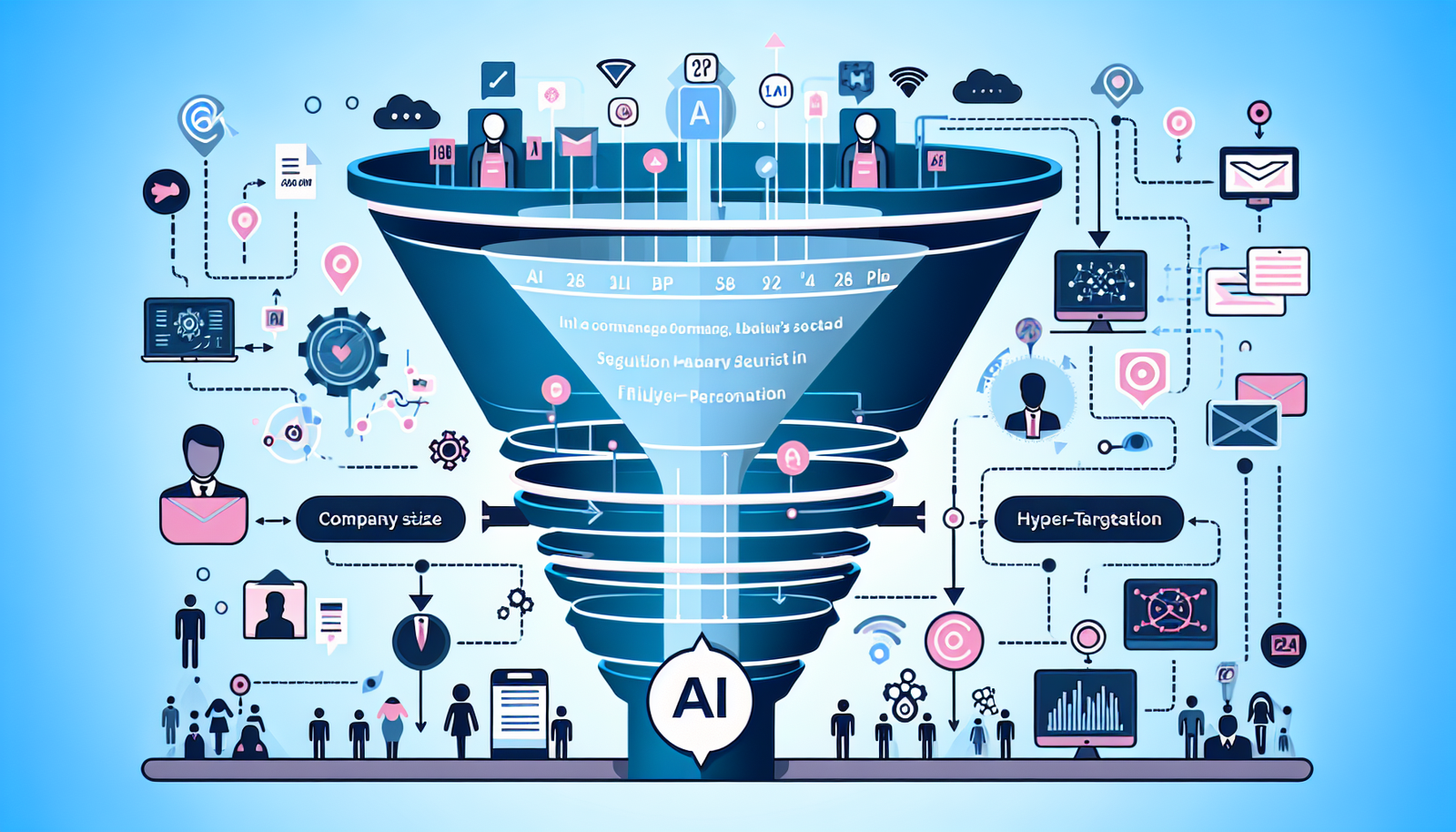
What is Intent Data in B2B Marketing?
In today’s data-driven marketing environment, intent data has become a game-changer for B2B organizations looking to identify and engage high-quality prospects earlier in the buying journey. But what exactly is intent data, and why is it gaining popularity in B2B marketing strategies?
Types of Intent Data
First-Party Intent Data
This type of data is collected directly from your own digital platforms—your website, webinars, email engagement, and CRM activity. It reveals how specific leads interact with your content, signaling direct interest.
Third-Party Intent Data
Collected from external websites and platforms, third-party intent data is typically aggregated by vendors monitoring B2B content consumption across the web. It’s often IP-based and shows topics that companies are actively researching even before visiting your site.
Second-Party Intent Data (Emerging Trend)
Second-party intent data is essentially someone else’s first-party data shared via partnership. For example, a technology publisher may share granular data about content consumption behaviors with a SaaS company to inform their targeting.
How Intent Data Works
Behavioral Signals and Data Sources
Intent data relies on digital behavioral signals like page views, time on page, downloads, search queries, and content clusters visited. These signals indicate a level of purchasing intent.
Technologies Behind Intent Data Collection
Vendors like Bombora, 6sense, and Demandbase use IP tracking, natural language processing (NLP), and machine learning to analyze large sets of online activity. When a company spikes in a specific topic category, it’s flagged as a signal of intent.
Benefits of Using Intent Data in B2B Marketing
Improved Lead Scoring and Prioritization
Marketers and sales teams can align on which accounts show the strongest buying signals, helping prioritize outreach and resources accordingly.
Personalized Campaigns and Nurture Streams
Knowing what a prospect is researching enables personalized content delivery. For example, if an account shows interest in “CRM integrations,” marketing automation tools can serve relevant offers and whitepapers.
Shortened Sales Cycles and Higher ROI
Engaging buyers based on demonstrated interest leads to more efficient conversations and often reduces the research-to-decision timeline.
Best Uses and Practical Applications
Account-Based Marketing (ABM)
Intent data helps identify in-market accounts to target with tailored ABM plays. It can trigger personalized ads and outreach when a buying signal occurs.
Sales Enablement and Outreach
Armed with topic-level insights, sales reps can tailor outreach emails with hyper-relevant messaging that reflects what the buyer is currently interested in.
Campaign Targeting and Optimization
Paid media and content campaigns can be refined to focus on themes actively being researched by your target audience, maximizing engagement and spend efficiency.
Challenges and Considerations
Data Accuracy and Vendor Trust
Since much of third-party intent data is inferred and anonymized, accuracy can vary. It’s important to vet vendors for transparency and reliability.
Privacy Compliance (GDPR, CCPA)
Ensure all data collection and targeting activities align with data privacy laws. Choose vendors who adhere to compliance best practices.
Integrating Intent into Existing Workflows
Maximizing the value of intent data requires integration into your CRM, marketing automation, and analytics tools. Many platforms offer native or API integration options.
FAQs About Intent Data in B2B Marketing
What tools use intent data in marketing?
Popular tools include Bombora, 6sense, Demandbase, ZoomInfo, and LinkedIn Insights—all of which provide various levels of intent signal detection and integration with CRM/MAPs.
Is intent data GDPR compliant?
Intent data can be GDPR compliant if collected and processed ethically. Ensure vendors provide clear consent paths and anonymization protocols.
How do I get started with intent data?
Start by identifying your top ICP (Ideal Customer Profile), selecting a trusted intent data vendor, and integrating their signals into your marketing automation tool for campaign testing.
Focus Keyword: intent data in B2B marketing